
One question I receive frequently is whether tofu can be frozen. Maybe you found tofu on sale or bought several packages at your favorite warehouse store, but you cannot use all of it before the expiration date. The good news is that you can freeze tofu—and freezing it gives the tofu a meatier, chewier texture. This guide explains exactly how to freeze tofu, thaw it safely, press out the excess water, and prepare it for cooking.
Freezing tofu is an easy way to give it a meatier, chewier texture while helping it soak up more marinade. As tofu freezes, the water inside expands and creates tiny pockets throughout the block. Once thawed and pressed, the tofu has a spongier texture with plenty of room to absorb your favorite sauces and seasonings.
This simple method works especially well when you want tofu with crisp edges and a satisfying bite. Use frozen tofu in stir-fries, rice bowls, curries, tacos, soups, or almost any recipe where you want the tofu to hold its shape and take on plenty of flavor.
- Changes soft, smooth tofu into a chewier, meatier ingredient
- Helps tofu absorb marinades and sauces
- Creates a texture that crisps nicely when cooked
- Makes it easy to keep tofu ready for future meals
- Naturally vegetarian, vegan, and gluten-free
Quick Answer: How Do You Freeze Tofu?
To freeze tofu, place an unopened package directly in the freezer or drain the tofu and transfer it to a freezer-safe container. Freeze it overnight or until completely solid. Thaw the tofu fully in the refrigerator, drain it, and press it with an EZ Tofu Press for 10 to 12 minutes, tightening the knobs every 3 to 4 minutes. The thawed and pressed tofu will have a chewier, meatier texture that absorbs marinades more easily and crisps well when cooked.
What Happens When You Freeze Tofu?
Tofu contains quite a bit of water. When the tofu freezes, that water expands and forms ice crystals inside the block. These crystals create small holes and channels in the tofu.
After the tofu thaws, you can press out the melted water. The remaining tofu has a firmer, more porous texture than tofu cooked directly from the package. Those open spaces help it absorb marinades, broth, and sauce more readily.
Freezing also changes the tofu’s color. Do not be surprised if white tofu develops a pale yellow or golden tint in the freezer. This color change is normal and does not mean the tofu has spoiled.
Does Freezing Tofu Make It Crispier?
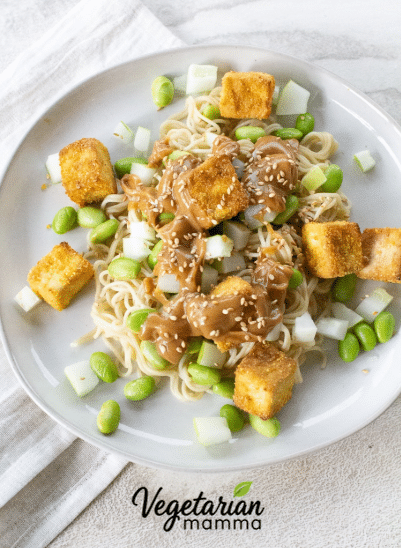
Freezing tofu does not make it crispy on its own. Instead, freezing changes the tofu’s internal structure so more water can be removed after it thaws. Once thawed and pressed, the tofu has a firmer, drier surface that can crisp well during cooking.
For the crispiest results, thaw the tofu completely, press out as much water as possible, and cook the pieces in a single layer. A light coating of cornstarch can add even more crunch when the recipe calls for it.
The final texture depends on how you cook the tofu. Air frying, baking, and pan-frying can all produce crisp edges. Adding wet sauce too early may soften the outside, so it is often best to cook the tofu first and toss it with sauce near the end.
What Kind of Tofu Is Best for Freezing?
Extra-firm tofu is the best all-purpose choice for freezing. It keeps its shape, develops a satisfyingly chewy texture, and works well in recipes that call for cubes, slabs, strips, or torn pieces.
Firm tofu can also be frozen, although it may be a little more delicate after thawing. Handle it gently while pressing and cutting.
Silken tofu is not the best choice for this method. Its smooth, custard-like consistency can become grainy and fragile after freezing. Save silken tofu for creamy sauces, desserts, smoothies, and other recipes where its soft texture is important.
Should You Drain Tofu Before Freezing It?
You can freeze tofu either in its unopened package or after draining it. Both methods work, but they are useful for slightly different situations.
Freezing tofu in the unopened package is convenient because there is almost no preparation. Place the entire package in the freezer and thaw it when you are ready to cook. The package may expand as the water freezes, so give it enough room and avoid using any package that is leaking or damaged.
Draining the tofu before freezing saves space and lets you prepare it in the shape you plan to cook. You can freeze the whole drained block, cut it into cubes, slice it into slabs, or tear it into irregular pieces.
You do not need to press tofu before freezing. Pressing it after it thaws is more important because that is when you can remove the water released from the newly formed pockets.
How to Freeze Tofu
1. Check the Package: Make sure the tofu is fresh and the package is sealed and undamaged. Do not freeze tofu that smells sour, feels unusually slimy, or shows other signs of spoilage.
2. Decide Whether to Leave It Packaged or Drain It: For the easiest method, leave the tofu in its unopened package. If you want to reduce freezer space or prepare individual portions, open the package and drain the liquid.
3. Cut the Tofu, If Desired: Leave the drained tofu whole or cut it into the shape you expect to use later. Cubes work well for bowls and stir-fries. Slabs are useful for sandwiches or tofu steaks, while torn pieces create craggy edges that become especially crisp.
4. Protect It From Freezer Air: Place drained tofu in a freezer-safe container or resealable freezer bag. If freezing separate pieces, arrange them in a single layer on a parchment-lined tray and freeze until firm. Transfer the frozen pieces to a container or bag once solid. This quick first freeze keeps them from sticking together.
Remove as much excess air as practical, seal the container, and label it with the date.
5. Freeze Until Solid: Place the tofu in the freezer until completely frozen. A full block generally needs at least overnight. Smaller pieces may freeze more quickly.
How Long Can You Freeze Tofu?
For the best flavor and texture, use frozen tofu within about three months. It may remain safe longer when continuously frozen, but its quality can gradually decline, and freezer burn may develop.
Labeling the package makes it easier to use the oldest tofu first. Keep it tightly sealed so it does not pick up freezer odors or dry out.
How to Thaw Frozen Tofu
The easiest way to thaw frozen tofu is in the refrigerator. Place the package or container on a plate to catch any condensation or leaks, then leave it in the refrigerator until fully thawed. A whole block may need a full day.
For faster thawing, remove the tofu from its packaging and use the microwave’s defrost setting in short intervals. Turn the block as needed so it thaws evenly. You can also place a securely sealed package or bag in cold water, changing the water periodically until the tofu is thawed.
Do not season the tofu until the center is completely thawed. A frozen middle prevents you from pressing out the water and keeps the marinade from soaking in evenly.
How to Press Tofu After Freezing
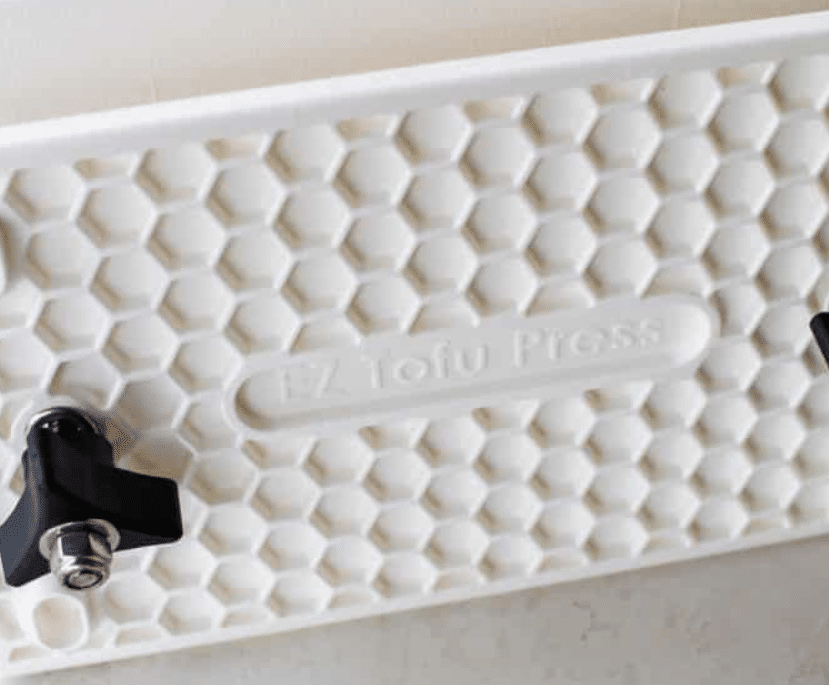
Once the tofu is completely thawed, drain away the released liquid. Place the block in an EZ Tofu Press and tighten the knobs evenly to begin removing the excess water.
Frozen and thawed tofu holds a surprising amount of liquid because freezing creates small pockets throughout the block. Press the tofu for approximately 10 to 12 minutes, tightening the knobs every 3 to 4 minutes. Tighten the press gradually because thawed tofu can be more fragile and may crack or crumble if too much pressure is applied at once.
After pressing, remove the tofu and gently pat it dry. It is now ready to cut or tear, season, marinate, and cook. Removing this extra moisture helps the tofu absorb more flavor and develop crispier edges.
How to Make Frozen Tofu Crispy
After thawing and pressing, the tofu is ready to season and cook.
- Cut or tear the tofu into evenly sized pieces.
- Add a marinade or dry seasonings. Because frozen tofu is very absorbent, start with a moderate amount and add more only if needed.
- Drain away excess marinade before cooking. Too much surface moisture can prevent browning.
- Add a light coating of cornstarch if you want extra crunch.
- Arrange the tofu in a single layer with space between the pieces.
- Air fry, bake, or pan-fry until the outside is golden and crisp.
- Add sauce near the end of cooking or just before serving to help preserve the crispy exterior.

How to Marinate Frozen and Thawed Tofu
Frozen tofu should be completely thawed and pressed before adding a marinade. Freezing creates tiny pockets inside the tofu, and pressing removes the water from those pockets. This allows the thawed tofu to absorb marinades more quickly than tofu used directly from the package.
After pressing the tofu with an EZ Tofu Press, place it in a shallow dish or resealable bag with your marinade. Turn the pieces until every side is coated. Because the tofu absorbs liquid quickly, even a short marinating time can add plenty of flavor. Strong or salty marinades may become overpowering, so begin with a moderate amount.
If the finished dish needs to be gluten-free, check every bottled sauce and seasoning blend. Traditional soy sauce usually contains wheat unless it is specifically labeled gluten-free. Use gluten-free tamari or another verified gluten-free alternative when appropriate for the recipe.
Best Ways to Use Frozen Tofu
The chewy texture of frozen tofu makes it useful in many meals. Try it in:
- Crispy Air Fryer Tofu
- Tofu Scramble
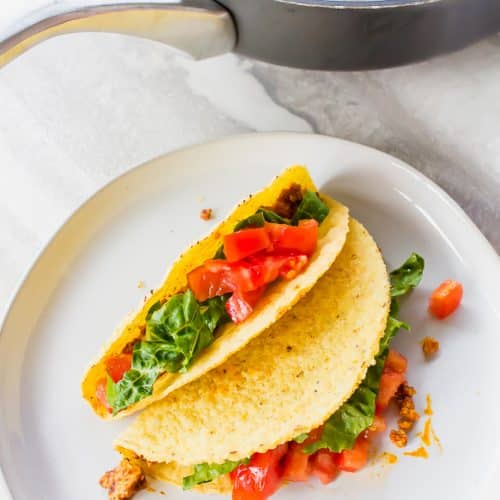
- Tofu Tacos
- Tofu Fried Rice
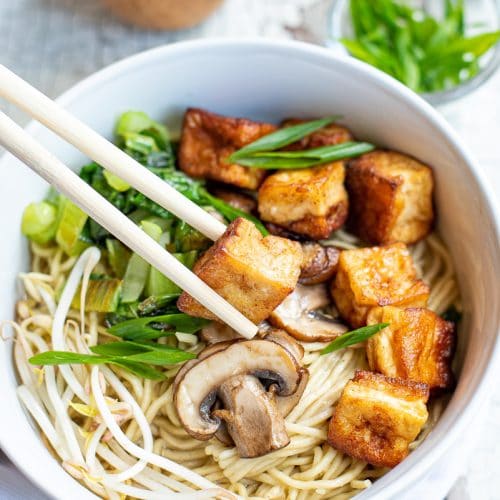
- Tofu Noodle Bowls
- Curry Tofu with Broccoli and Rice
- Vegetarian Coconut Curry Soup
- Baked BBQ Tofu
- Tofu Chili
- Tofu Pad Thai
- Kid-Friendly Tofu Bites
- Tofu Croutons
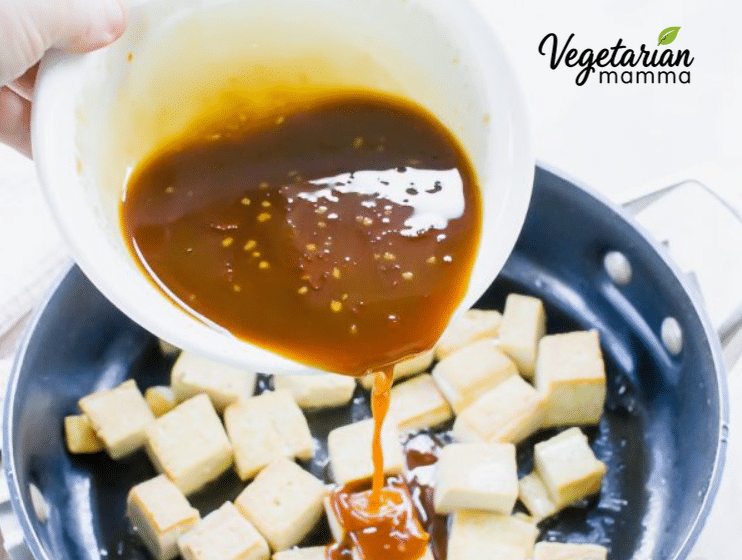
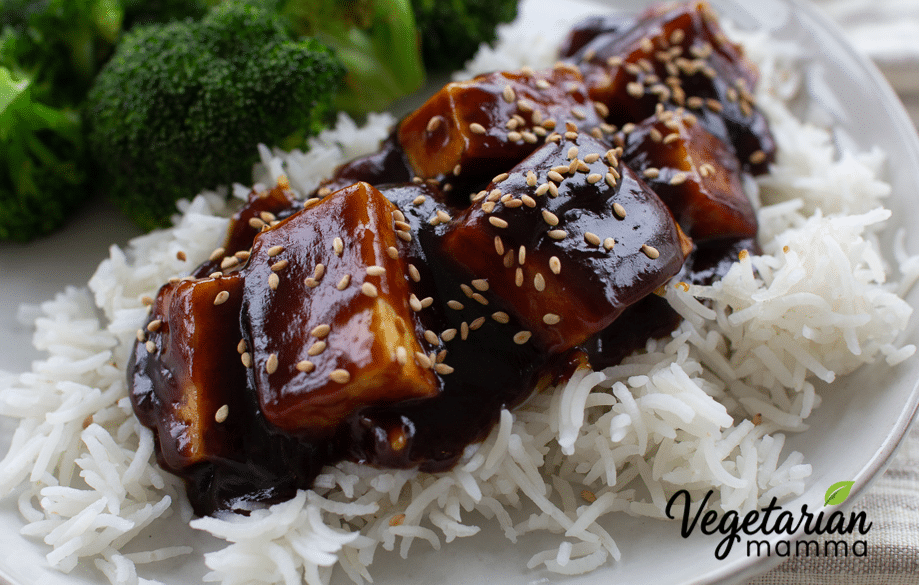
Frozen tofu is particularly good in recipes with flavorful sauces because its porous interior acts like a sponge. It may be less suitable when you want tofu to remain silky, creamy, or delicate.
To check out many of the ways you can prepare tofu, click: Easy Tofu Recipes.
Can You Freeze Tofu Twice?
Some cooks freeze, thaw, and freeze tofu a second time to create an even more open, chewy texture. You can try a second freeze if you want a very spongy result, but the tofu may become drier and more fragile.
For most recipes, one freeze-and-thaw cycle provides enough texture change. If you want to freeze the tofu a second time, thaw it completely in the refrigerator, press out the water, seal it in a freezer-safe container, and refreeze it promptly. Do not refreeze uncooked tofu that was thawed in cold water or the microwave. Never thaw tofu at room temperature.
Common Mistakes When Freezing Tofu
Using the Wrong Type of Tofu
Extra-firm or firm tofu gives you the most reliable results. Silken tofu will not produce the same sturdy, chewy pieces.
Cooking It Before It Is Fully Thawed
If the center is still frozen, you will not be able to press out the moisture evenly. The tofu may cook unevenly and absorb less flavor.
Skipping the Pressing Step
Thawed tofu contains water in all of its newly formed pockets. Removing that water makes room for marinade and helps the surface brown.
Adding Too Much Marinade
The porous tofu absorbs flavor quickly. Start with less than you think you need, especially when using salty ingredients.
Crowding the Pan or Air Fryer
Pieces need exposure to circulating hot air or the hot surface of the pan. Crowding traps steam and makes it harder for the tofu to become crisp.
Adding Sauce Too Soon
A wet sauce can soften a crisp coating. When texture matters, cook the tofu until golden before adding the sauce.
Frequently Asked Questions
Can you freeze tofu in its original package?
Yes. You can place an unopened, undamaged package of tofu directly in the freezer. The package may expand as its liquid freezes. Thaw it completely in the refrigerator, open the package, drain the liquid, and press the tofu before cooking.
Does frozen tofu taste different?
Freezing changes tofu’s texture more than its flavor. The tofu remains mild, but its porous interior allows it to absorb seasonings and marinades more readily.
Why did my tofu turn yellow after freezing?
A pale yellow or golden color is a normal result of freezing tofu. The tofu generally lightens again after thawing, although it may not return to its original bright white color.
Do you press tofu before or after freezing?
Press tofu after it has frozen and thawed. You may drain it before freezing, but the most useful pressing step happens after thawing because freezing releases additional water from the tofu.
Can you cook tofu from frozen?
For the best texture and seasoning, thaw tofu completely before cooking. Thawing allows you to press out the water, cut the tofu evenly, and add flavor throughout the pieces.
Can you freeze cooked tofu?
Yes, cooked tofu can be frozen, although its coating and texture may change after thawing. Cool it completely, place it in a freezer-safe container, and reheat it thoroughly. For the crispest results, freeze plain tofu first and cook it fresh after thawing.
Is frozen tofu still gluten-free?
Plain tofu is generally gluten-free, and freezing does not add gluten. However, flavored tofu, marinades, soy sauce, and seasoning blends may contain wheat. Always verify individual labels if you follow a gluten-free diet.
Final Tips for Freezing Tofu
Freezing tofu is a simple meal-prep trick that can completely change its texture. Start with extra-firm tofu, freeze it until solid, thaw it completely, and press out the released water. The result is chewy tofu that absorbs flavor easily and develops deliciously crisp edges when cooked.
Once you see how well frozen tofu works in bowls, tacos, stir-fries, and air fryer recipes, you may want to keep a block in the freezer at all times.
If this was your first time freezing tofu, let me know how it turned out. I am always interested in hearing from you.
Glad you made it to the end of the article. Make sure you follow me on Pinterest, Instagram, and Facebook, too!
Remember to subscribe to the Vegetarian Mamma EMAIL newsletter. You receive it each week with the new or updated recipes.